Shortly after Tyler, The Creator’s last rollout in the second half of last year, a surprise rollout was announced mid-summer with no singles. Tyler dropped once again on a Monday morning; however, this album differed in genre from his other albums. This was a dance album made strictly to make you move.
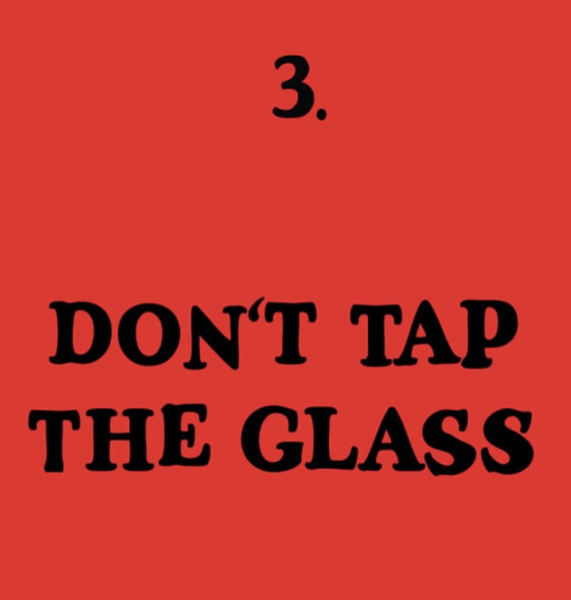
When rolling out the album, he held several dance events that restricted the use of cell phones, so as to release the pent-up free spirits of dancing. His experience sounded cathartic, being so satisfied with the connection he invoked in the crowd when describing his experience on Instagram. He believed that the subconscious fear of dancing resulted from widespread cell-phone usage, with the social media landscape “memeify-ing” anyone’s vulnerabilities; perhaps he’s onto a bigger picture with the commentary. I love how Tyler continues to advocate for the separation of our phones from the way we connect to music, as he treats the sea of cameras like a plague ruining his ability to connect to his audience.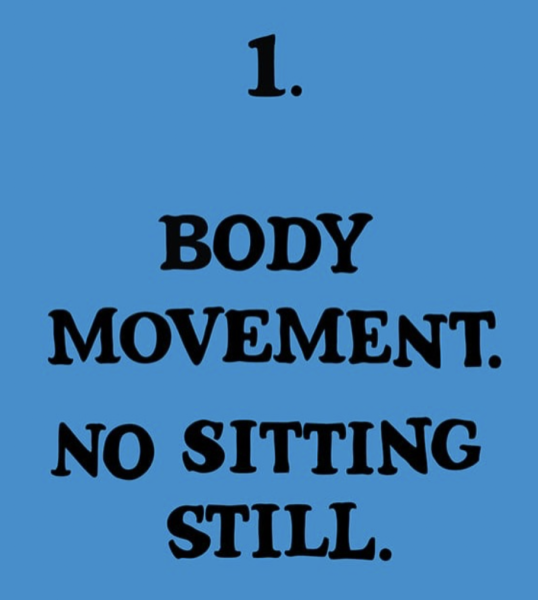
The first song of DON’T TAP THE GLASS was “Big Poe” featuring Sk8brd and Pharrell Williams’ vocals. The freshness of the funky synths alongside a polished bass boost created an atmosphere of the disco/funk era, propping it up to be a strong entrance. It properly hypes up the listener to get up and move, as the beginning of the track instructs, and excites me for this new genre and era of Tyler.
“Sugar On My Tongue” is the track that followed, continuing to explore new sounds. The rapid bass and catchy chorus is uplifting to the ears, with the bubbly sounds at the bridge being my favorite part of the song. The music video—alongside the track itself—was definitely R-rated, giving the crowd something to talk and be offended about, visualizing the sexual undertones that his music has included for years. “Stop Playing With Me” is the other track with a video alongside it, using pompous subwoofers to visualize the way he’s shaking up the competition with his success.
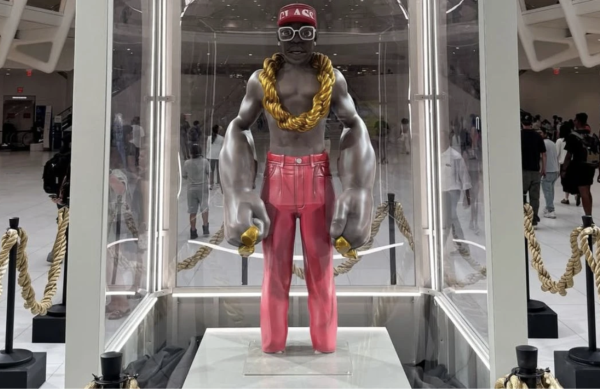
The theming of this album has paid its homage to a lot of hip-hop and funk history that connects to Tyler; the thick arms of the statue comes from Ludacris’ Red Light District album rollout from the early 2000s, while Tyler’s red leather and thick gold jewelry demand attention while invoking 80’s hip-hop royalty. He continues to have that “IDGAF” attitude that made his persona successful. Tyler’s offensive style in this album—his brash themes and fast-crash beats—are reminiscent of Cherry Bomb, a project of his from a decade ago.
“Don’t Tap That Glass/Tweakin’” has that West Coast piano beat combined with the bass of New Orleans bounce. I love the digital, uptempo fever that listening to it invokes, with the transition into the “Tweakin” part of the song having a synthier look into the production. I absolutely love the funky sounds that makes this album a lot more light hearted and fun, relieving some of the heavier topics and themes explored last year with CHROMAKOPIA.
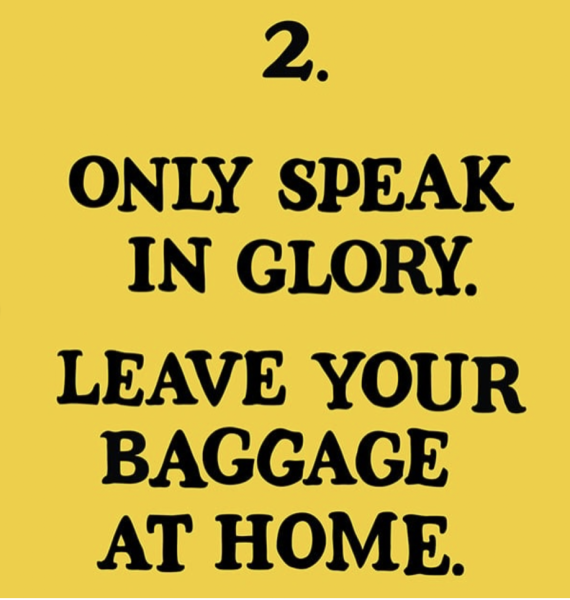
However, the 30 minutes of listening time is not all dance in my experience. The album felt somewhat incohesive and inconsistent, although these may have been downfalls which could be accredited to my expectations. Tyler never intentionally stated or tried to create a dance album in the techno disco or DJ space; rather, he made music that he wanted to dance to himself.
In discussing the project with Zane Lowe, he describes how he took a more relaxed yet fast approach to the process. His thoughts towards what the music had to be was to be challenged with DON’T TAP THE GLASS, with the focus ideally being to get these songs to done enough, capturing the moment of time in his life. Through this process, he was attempting to bring a pure, fun essence back into his relationship with music.
He also discussed what it’s like to create an album while mid-tour. He defied his own boundaries and typical industry standards as people questioned why he would release while midcycle. His response: he wanted something to dance to at his shows. He is in the position where he steers the ship in his sounds. He borrows sounds from his past eras so as to not re-invent the wheel—essentially becoming his own inspiration. He created music that he would move to based off of what he’s already made, so as to move fast and break sh*t. Hyperfixating on the perfection of a song is something a lot of artists struggle with, and is something Tyler challenges with DON’T TAP THE GLASS.
“Ring Ring Ring” was the track that got most of the attention in the album cycle, quickly becoming a favorite to many. The intro with the eccentric bass line and relatable lyrics sound appetizing, and yet it’s not a strong track in my opinion. This song has remnants of Call Me If You Get Lost–shedding light to how he borrowed from previous eras of his music–but sounds like it wasn’t incorporated into the futuristic expansion of past eras that represents 2025.
“Sucka Free” is an LA track utilizing vocal synthesizers that makes it sound like Daft Punk is on the track, which are elements I really appreciate when listening. The themes surrounding the songs are clever and confident. However, I (strangely) fell out of sync with this song; it’s one of the few times where I start off really liking a song, but start to wane off of it. The chorus was repetitive and monotone, that of which started to sound annoying to me after a while.
“Don’t You Worry Baby” displays Madison McFerrin’s vocals beautifully, and I think it’s a great track. “I’ll Take Care of You” properly reflects Yebba’s soft and tender vocals in the infant instrumentals. The song was intentionally simple, having steady lofi beats with the background vocals being looped, and Yebba’s vocals being added briefly to complete the song. Additionally, I like the ad libs building up to the beat drop. “Tell Me What It Is” sounds like a standard Tyler exit track to the album, as it has a slower, R&B feel to it.
These all are not terrible tracks by any means, and I believe they each have their respective qualities that make them unique. My distance arises when you go back to the intention of what this album is trying to be. To me, Tyler’s themes don’t accomplish moving and dancing throughout the project. Having Yebba in a dance album just sounds like a contradiction. The technical “dance album” criteria of simply having a beat excludes the fact that these tracks just do not keep the same cohesive energy throughout the project. While Tyler says he tried to simplify and get to the point with the lyrics, I originally felt the opposite.
I can recognize, however, how Tyler’s perspective on dance is entirely different than mine. Music is very regional, and my expectations of what dance guided how I initially thought of the album. While in my world, I may have not interpreted this kind of music as music to dance to, it invokes many different feelings for Tyler: the man gathering the sounds based on what he’s lived and what he’s feeling in the moment.
At the end of the day, this album is a light listen. The 30-minute run time is easy to digest, and very easily sat through. It has some moments where it genuinely shines with some fresh, new sounds, convincing the body to move to the rhythm, and also acts as a varied mixtape of Tyler having fun with music again. I think that Tyler has lived so many eras now that this album falls short on creating a new world, rather building upon what he learned in previous ones—and that’s ok. Music has no rules, no boundaries, and Tyler continues to prove that time and time again.