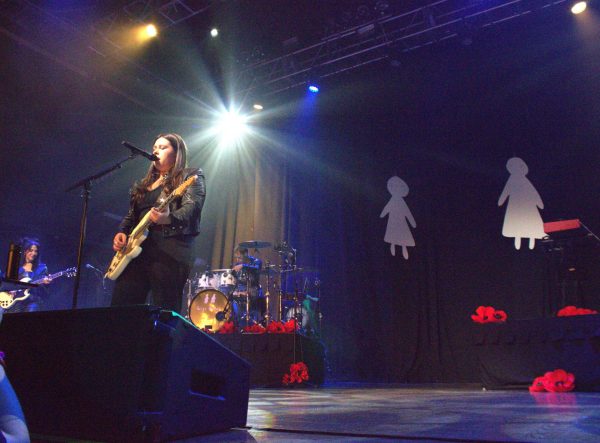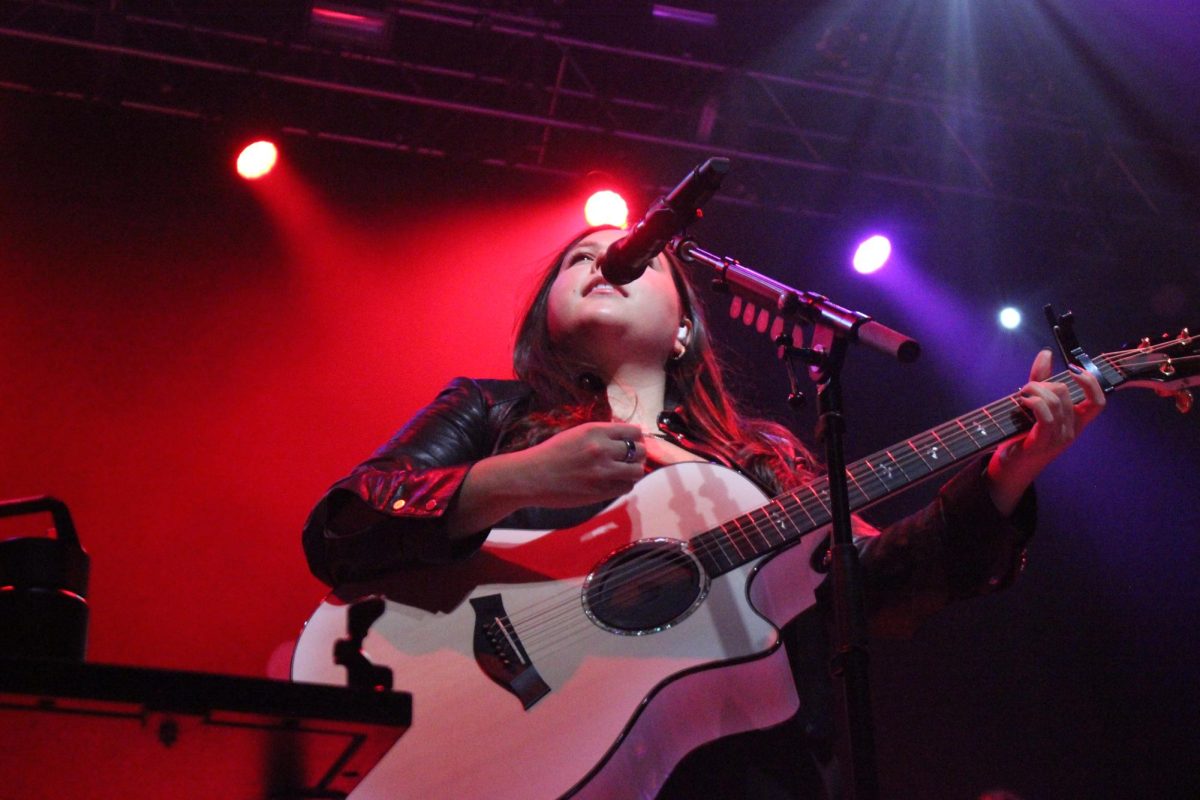
To start things off with a necessary confession, I’ll admit I’m actually not the biggest fan of live music! To say the least of it, I’m wary of crowds and, given the chaos at the venue day of, I was afraid my worst fear (concert/box office bureaucracy!) would ruin things for me. But reader, I persisted….
And had the surprisingly lovely pleasure of experiencing both Hannah Jadagu and Gigi Perez, two artists who have been on my radar for quite some time and who are not nearly as appreciated as they very well should be!
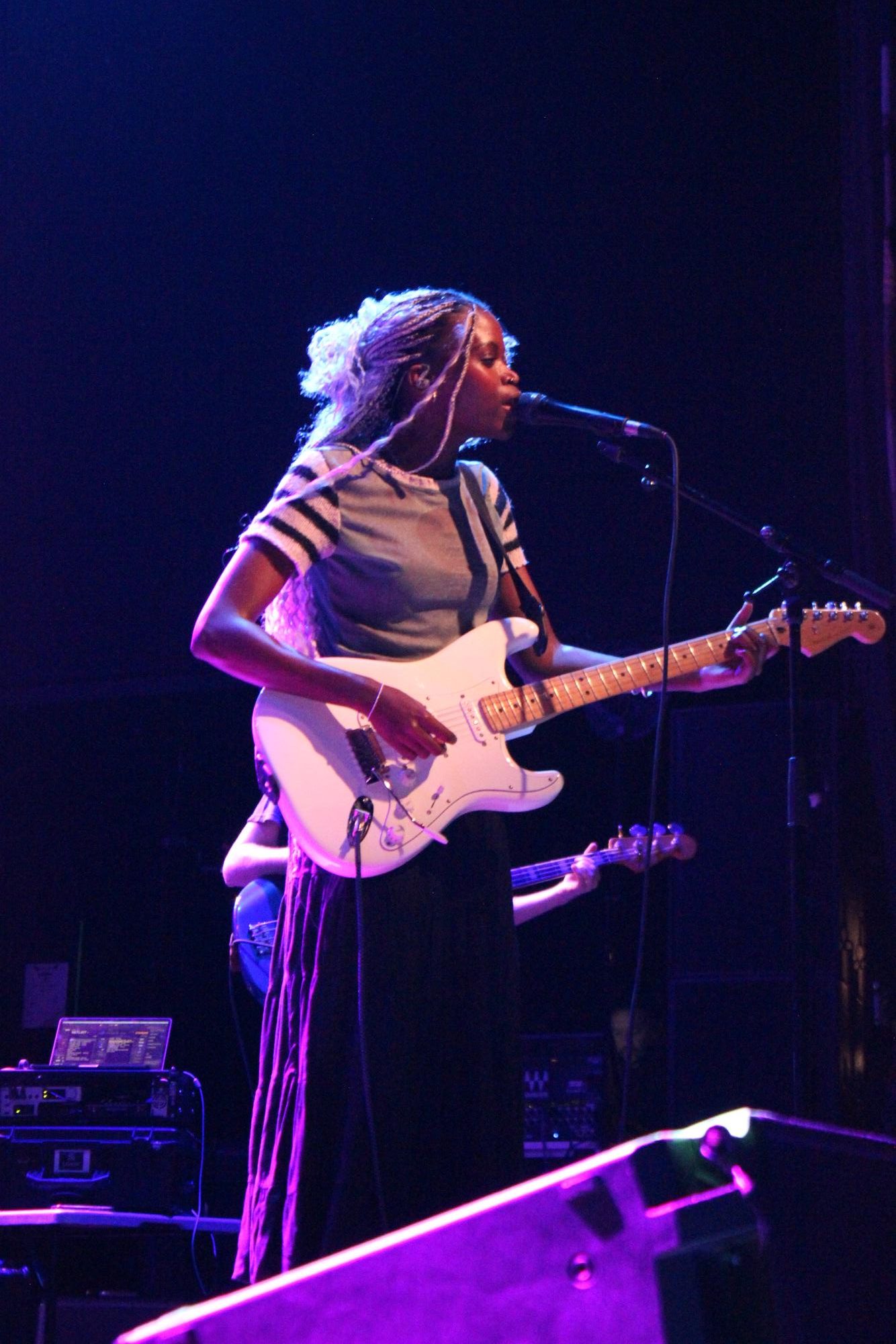
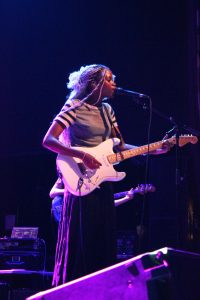
I’d only been to House of Blues once before (took my younger brother to see Faye Webster) but remembered it being a fairly cramped space—and extremely difficult to see the stage from the crowd if you are not, for instance, about to be drafted into the NBA. But it’s just the kind of toasty, dimly lit space you’d expect for a venue that primarily spotlights indie artists. And amidst this foggy atmosphere, at around 8, someone with long, silvery hair and a cherry-blossom-covered guitar stepped onstage, at once whimsical and casual: Hannah Jadagu, who I’d been intrigued to hear live ever since enjoying “My Love” and “Doing Now.”
In the vein of other bedroom-pop artists, Jadagu’s mild voice, only accompanied by a small band, laid the perfect basis for a sweet, young love kind of concert atmosphere. Though I hesitate to call her live singing necessarily shy, there’s definitely a soft and eccentric moodiness to her music that colors her stage presence in easygoing shades. You might imagine her singing these songs from across the room with you, for instance, like she’s one of those friends you have that are far more talented than you.
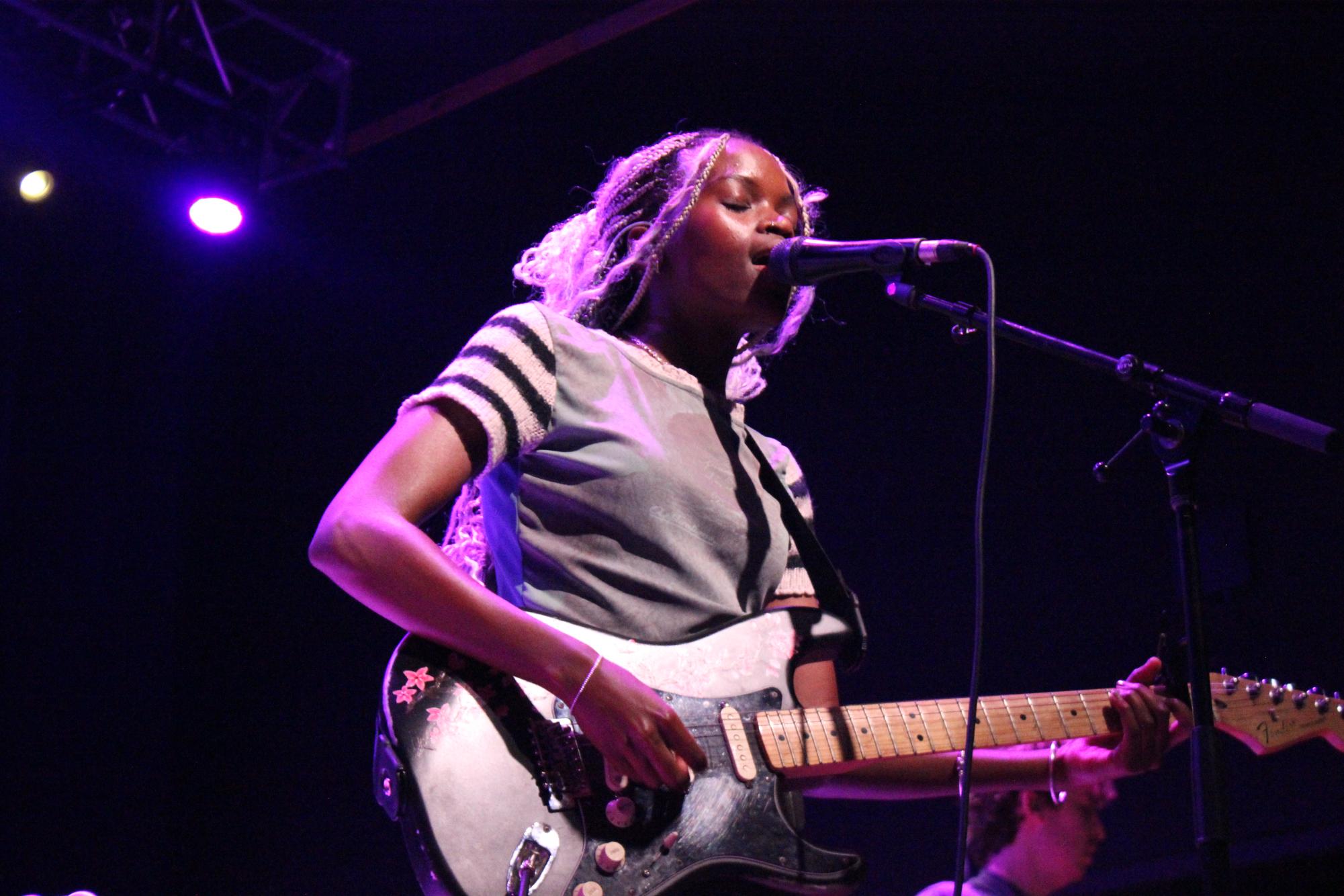
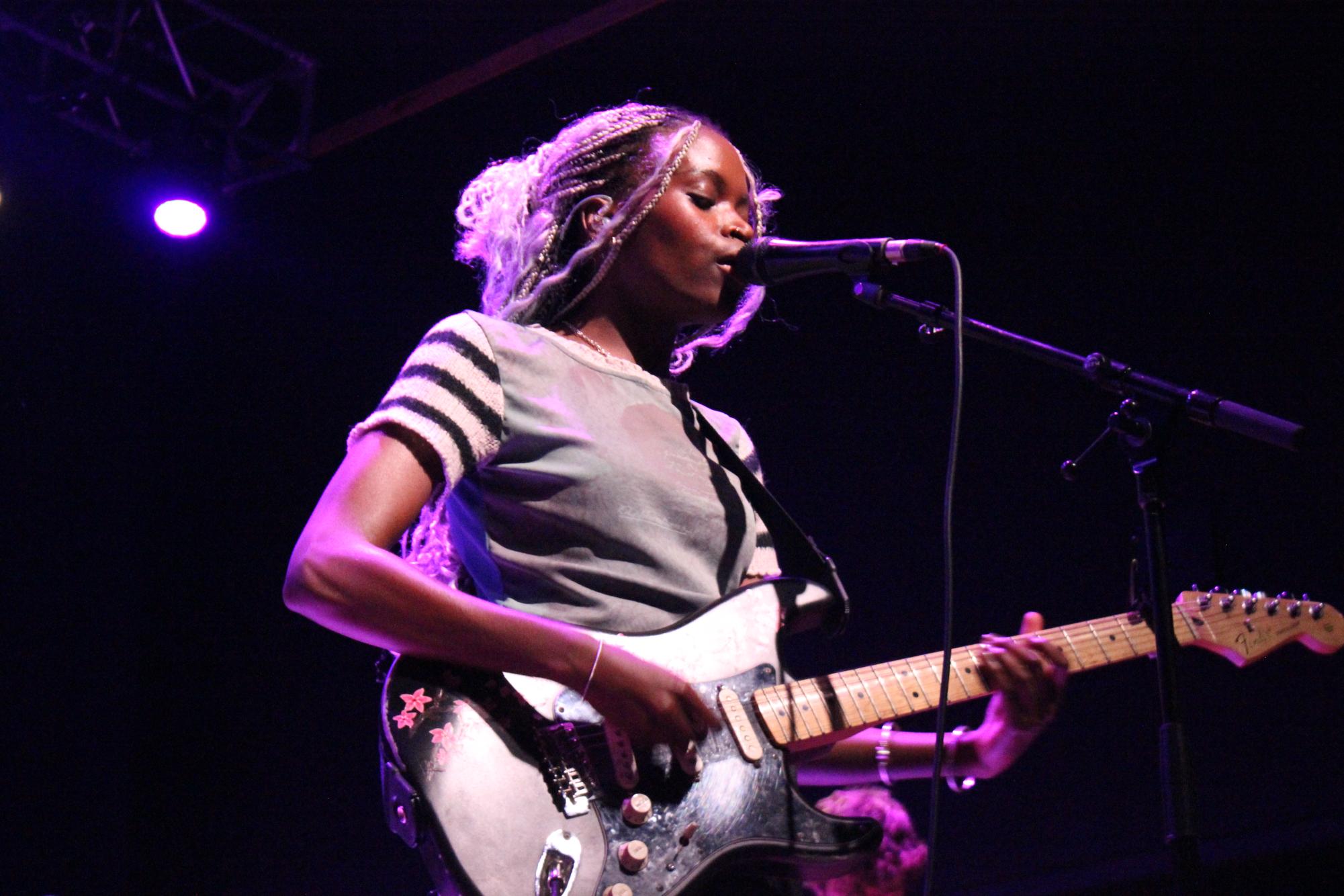
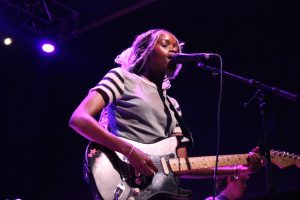
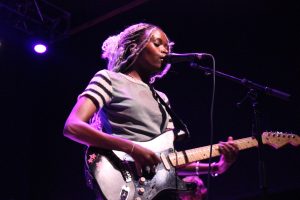
I assume her particular mix of electric guitars had some sort of fuzzy filter over them, rendering her performances dreamy and mildly poppy. I can imagine that songs like “All My Time Is Wasted”—vacillating between soft, punchy and fun—were especially a hit with the surprising amount of teenagers I saw in the crowd (on a school night, no less!), but I also found myself appreciating the inevitable nostalgia that this genre brings, which Jadagu does a wonderful job of encapsulating. By the end of “Doing Now”—“Timid, I get so / Timid, I get so…”—nearly everyone was swaying and nodding their heads, receiving all of Jadagu’s balmy energy in good-natured waves.
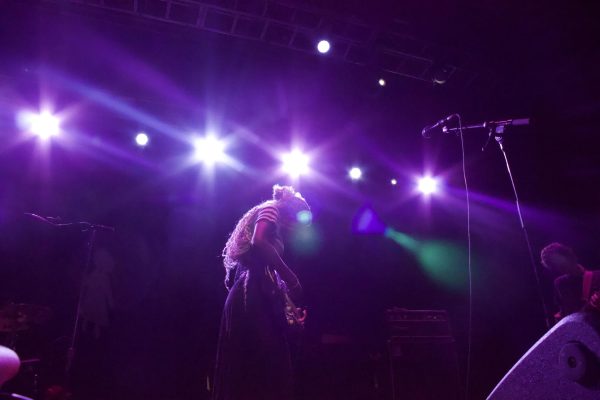
She was also very friendly with said crowd, often asking us to sing along with her after feeding us one or two lines; she pointed out her boyfriend and her family up above in the VIP section, smiling and waving; she spoke with us about how honored she was to be opening for Perez. All in all, Jadagu established herself as very accessible and down-to-earth, and I’d say her music definitely reflects this. I’m really looking forward to her new album release on October 24th!
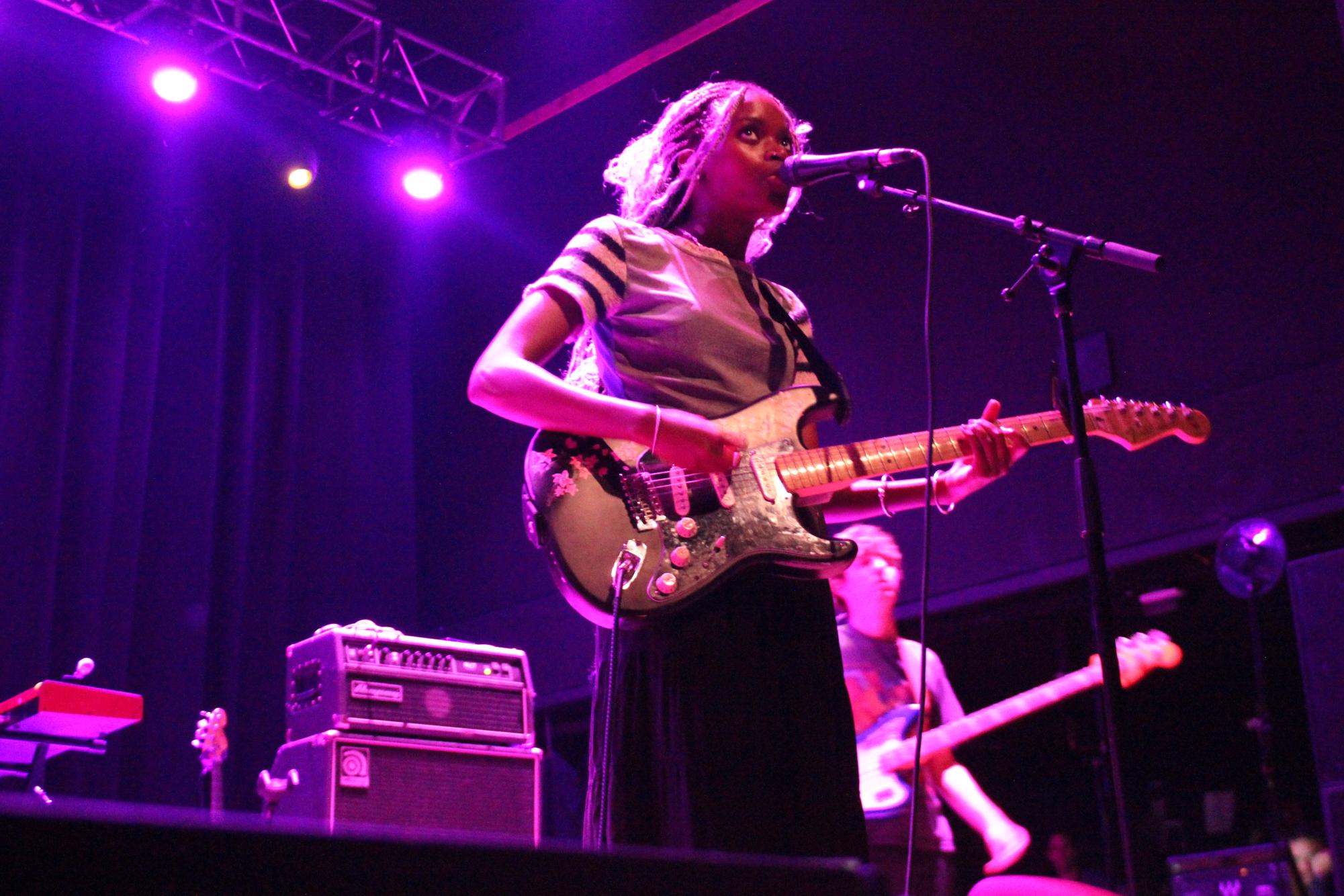
In the half hour before Perez appeared on stage, the sheer tangibility of the crowd’s anticipation took me by surprise. The first row of barricade in particular seemed eager to see her, erupting into heartfelt cheers when she stepped on.
I imagine this devoted energy has only been building ever since Perez’s sudden rocket into popularity thanks to her gutwrenching, TikTok-viral “Sailor Song.” While artists that have hit TikTok songs tend to have a mixed shot at success, Perez proves not only that she’s already got a pretty dedicated following, but also just how special of an artist she is when she sings live.
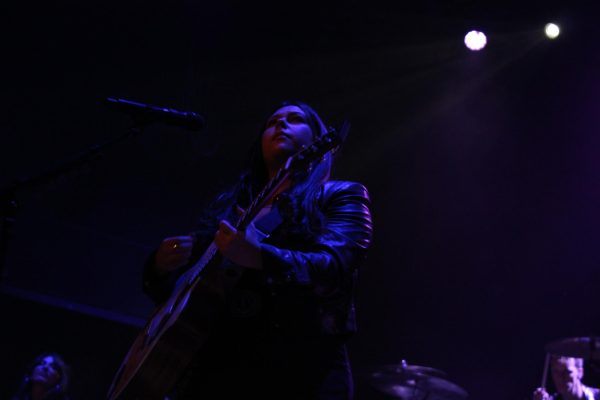
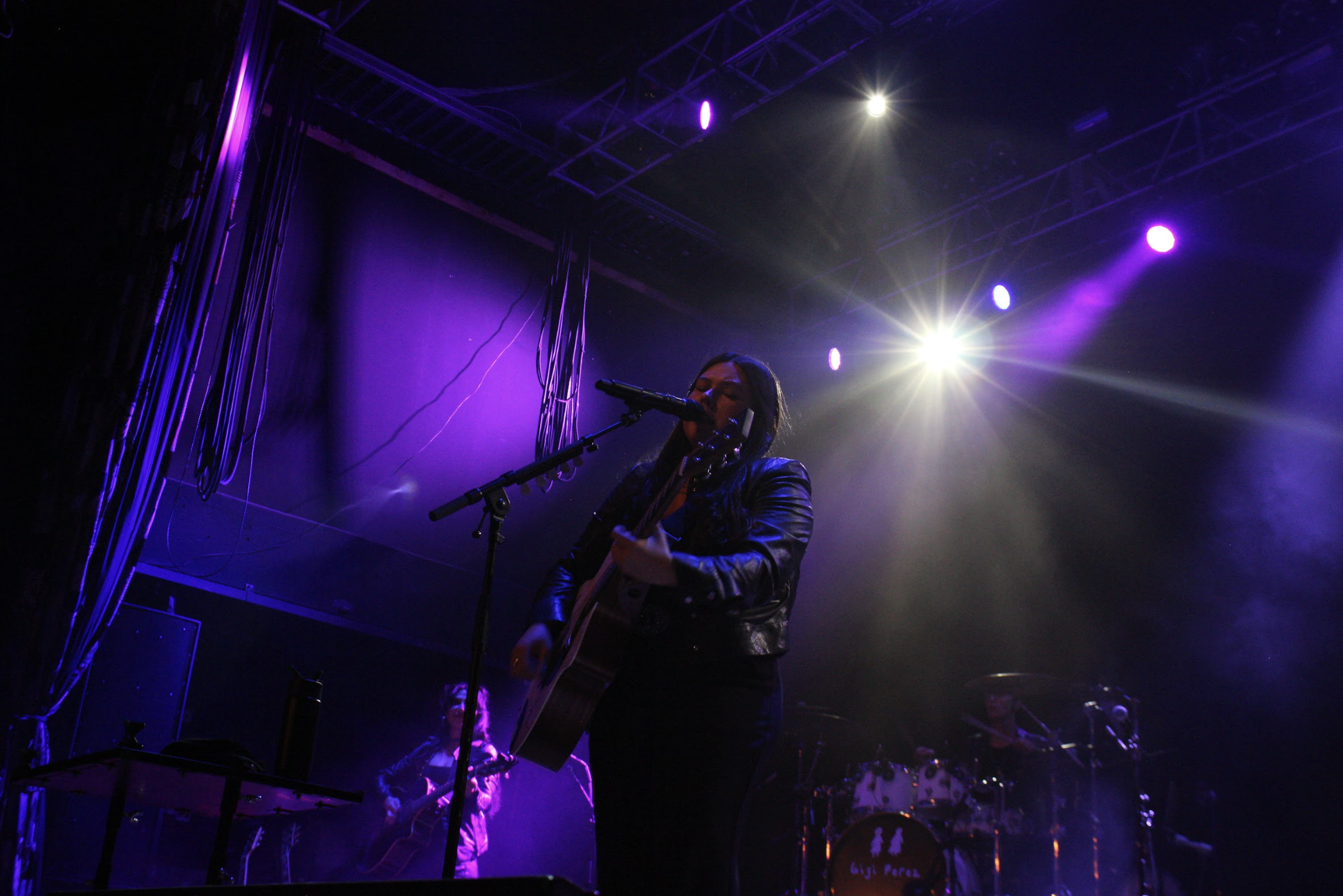
Through the course of her performances, she might have switched guitars a whole of seven or eight times, from what seems to be her main classical/acoustic (I couldn’t tell which specifically; apologies to my guitar fanatics) and possibly her electric. She took time to introduce her band, made up of a drummer, a pianist/bassist, and a guitarist, all grinning like they were having the absolute time of their life up there alongside her.
There’s a certain dark, emotional quality to her music that is far more raw when listened to live, especially because she sings entire passages in a very bare-bones way: her impassioned voice, her guitar, and sometimes a simple, ambient background. It’s for this reason, actually, that I can confess I can’t listen to her music too often. This dramaticism is partly because the dark folk-ishness of her songs dredge up long buried memories from my equally angsty high school years (think Daughter, Billie Marten, etc.)—but also because many of her songs deal with topics extremely difficult for me to even breach, like the grief of losing her older sister.
Early in on in her run, a short voice recording—inferably from her sister—plays while she strums her guitar, starkly alone in the blue-purple light. I’d just waded back through the crowd to find my friend in the back and we sort of laughed when we met each others’ watery eyes, so I think it’s safe to say that anyone who has dealt with grief or feels an inorbital amount of love for their sister was probably feeling equally as heartbroken.
And though it’s for these reasons that her music is shockingly personal to me, I doubt that there was anyone in that crowd that wasn’t left a little bit hollowed out and aching by the pain in her voice, which I think is an incredible feat.
It’s not to say that her voice wasn’t beautiful, because in fact it truly was; she’s quite well-known for having a unique style of singing, at times gentle and others raw and expressive, and objectively very talented at what she does. She had no qualms about showcasing this fully; she debuted her new song with Blondshell, singing it solo; she spent some time covering a couple of songs in her own style: “Video Games” by Lana del Rey (which was a crowd favorite, I mean, come on; consider who’s in her crowd); but also Daft Punk, an “Instant Crush” cover she had to repeat because of a medical emergency in the audience that happened halfway through.
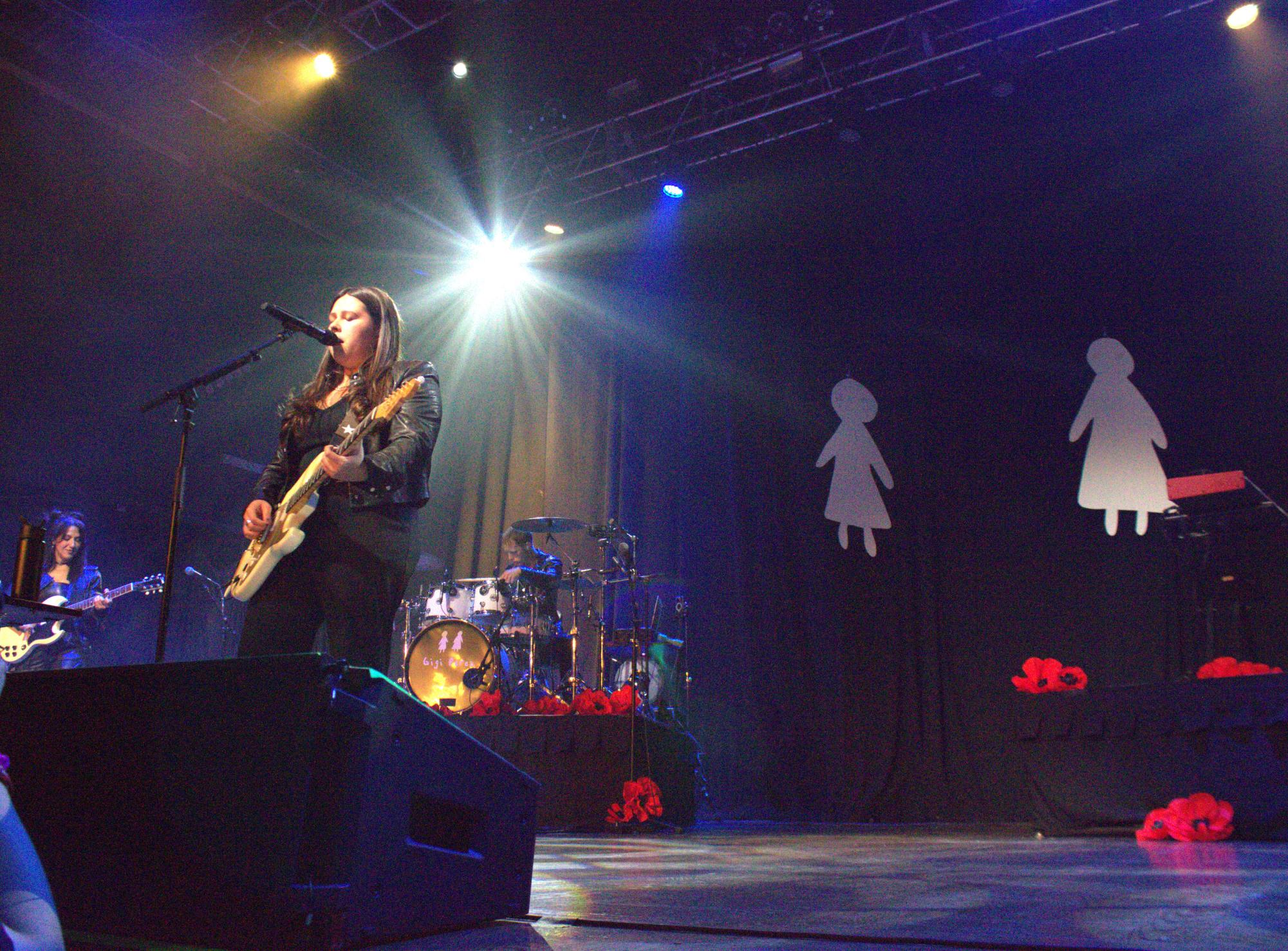
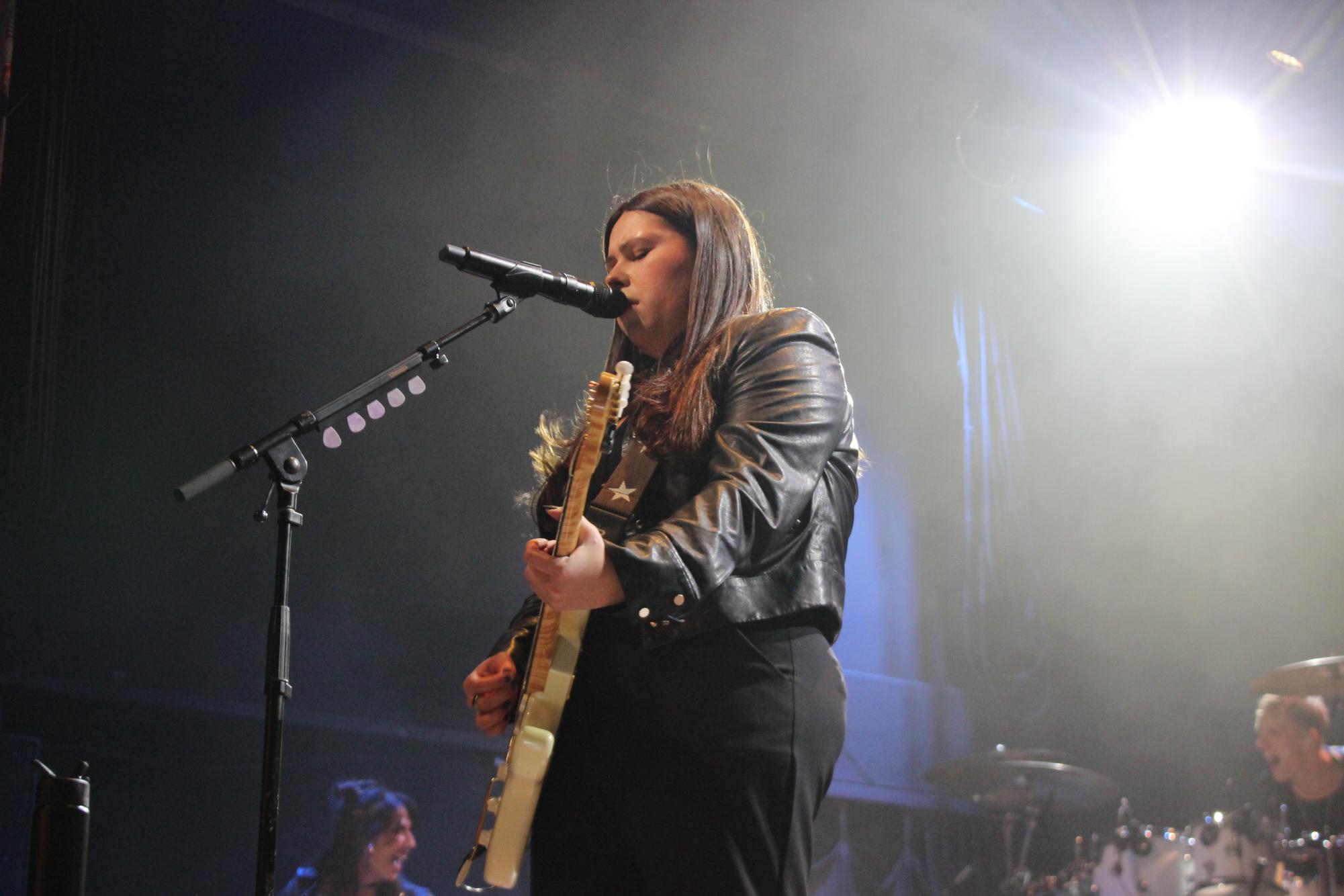
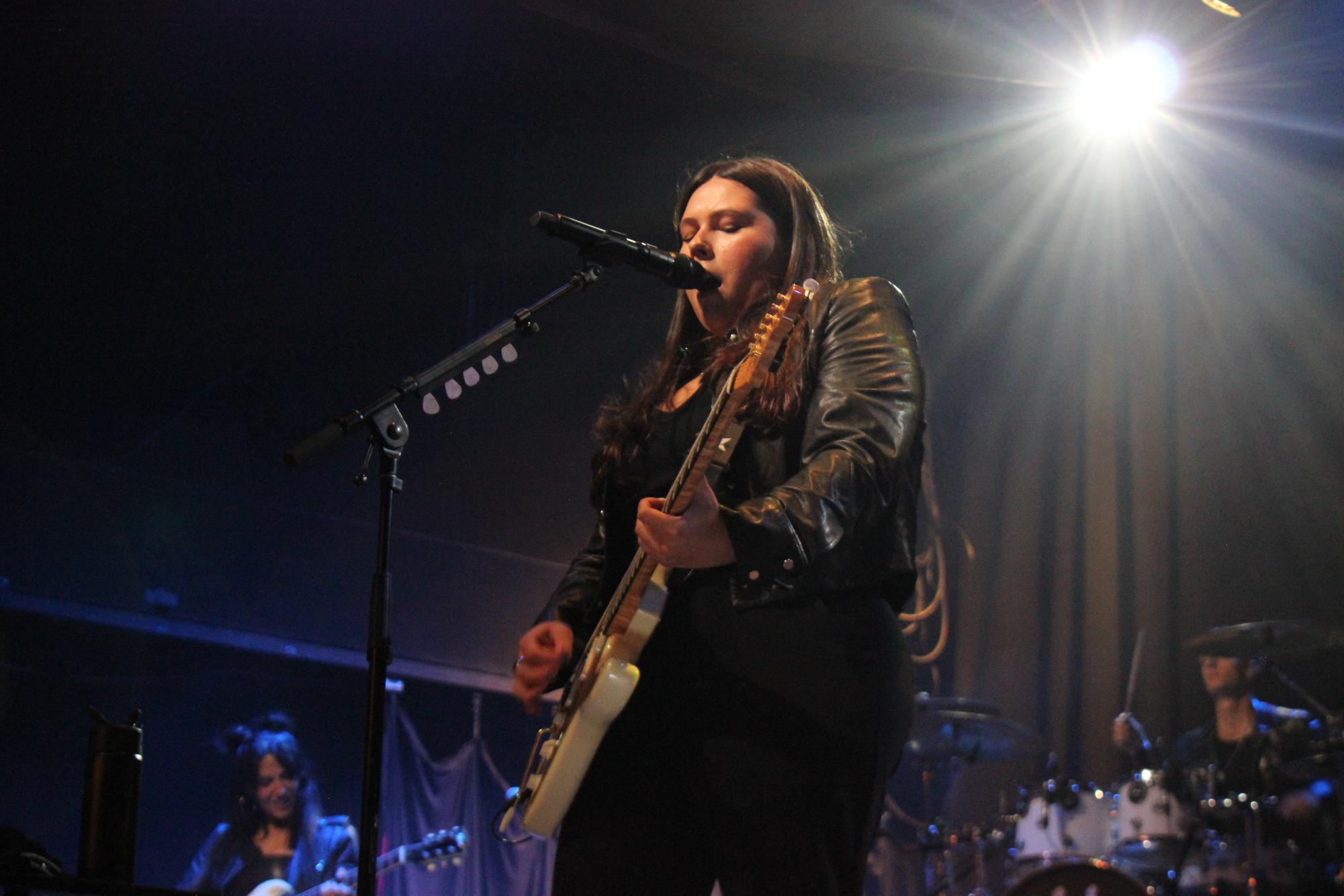
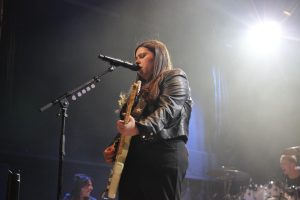
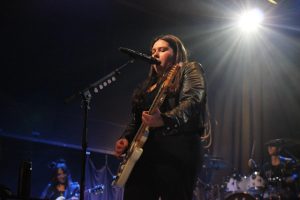
Her connection to the crowd, the strength of which she’d established very early on, enabled her to quickly gauge that something was wrong and deal with it with a lot of consideration. It’s around this time that someone at barricade passed her a Spongebob doll dressed like her and, laughing along with everyone, shared stories about how she used to have all sorts of Spongebob-related paraphernalia scattered around her childhood home. When one of her younger sisters actually joins her onstage for a surprise appearance during “Twister,” she’s equally as stoked to see the crowd, dancing, waving, and finally looping a big hug around Perez before fluttering away.
It’s clear that it meant a lot to Perez to be able to share her music to such an engaged and surprisingly loving audience, especially since all of the songs she performed dealt with themes personal to her. She’s spoken a lot about how therapeutic it was to write At Every Beach, In Every Life, in which she grapples with not only the conflicting duality of queerness and religion in her life, but also the intersection between grief, loss, and the newness of love.
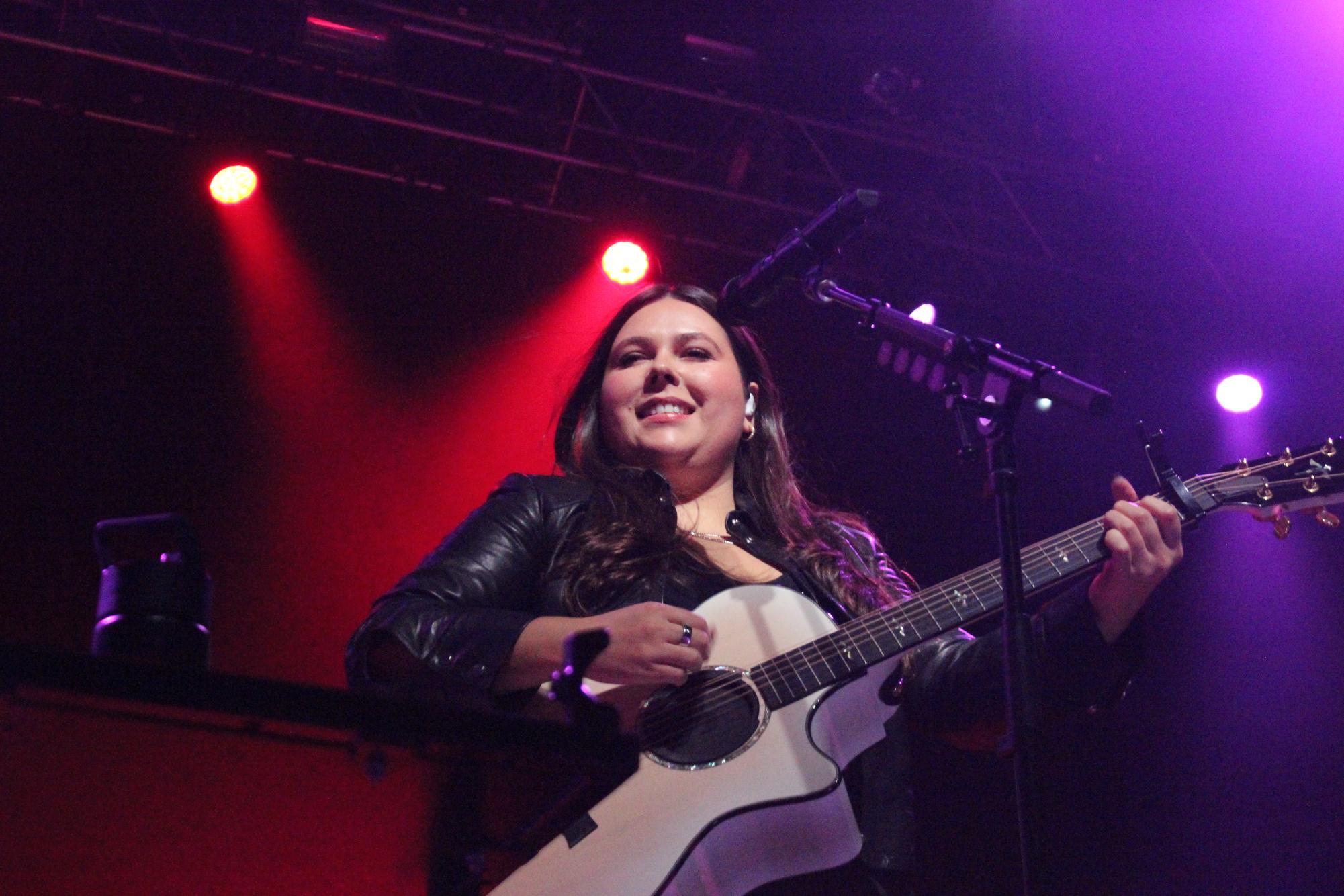
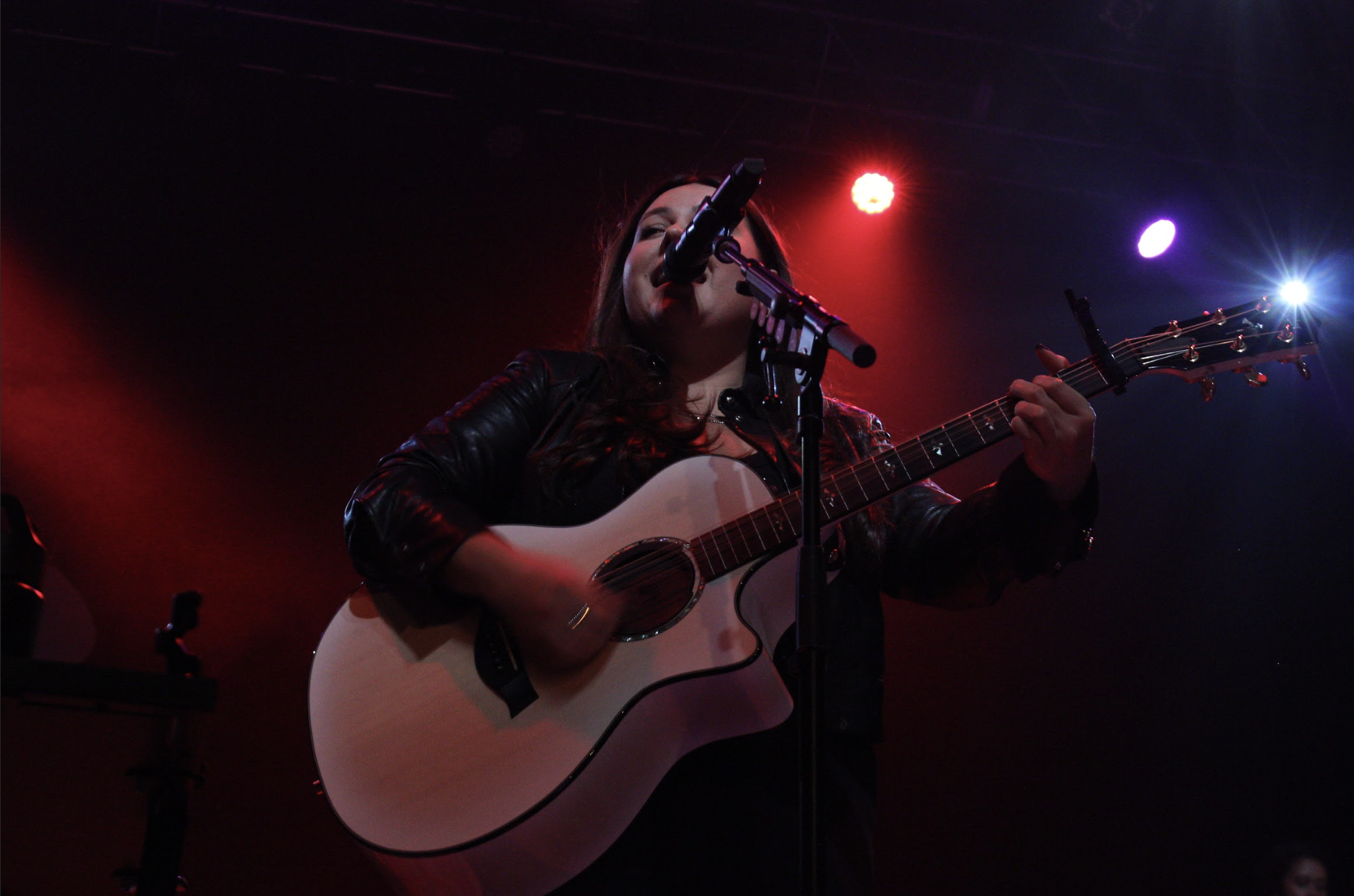



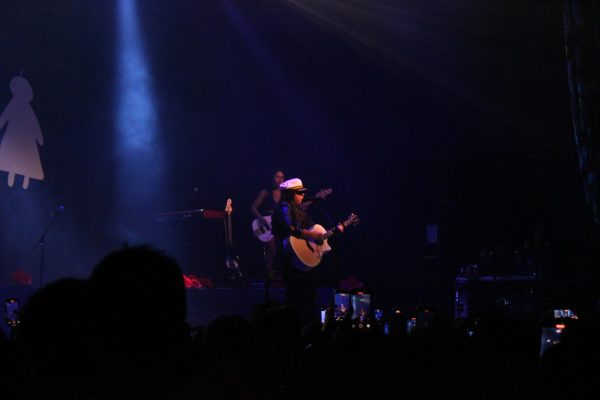
Perez went well past 10PM, partly due to the five minute break in the middle of her setlist to ensure everyone was feeling alright (someone seemed to have passed out in that packed-like-sardines crowd; I was fortunate enough to be standing safely in the back). And yet when she finally reached “Sailor Song,” it was more cathartic than draining. Someone at barricade tossed her a sailor hat, which she agreeably wore throughout most of the song before placing it down to sing more freely, rendering her fervent, emotionally charged live version leaps and bounds above its studio recording.
My friend and I left that venue feeling intensely like we’d just trauma bonded (not with one another, of course, but with Gigi Perez!) and agreeing that though we’d rather avoid House of Blues for the time being—both of us being unfit for the NBA—both Perez and Jadagu had made the night into something completely memorable.